 By Andre Atallah, CEO of EP Advisory
In recent years, more mid- and senior-level professionals have been exploring jobs in the Gulf. Some are drawn by tax-free salaries, others by the region’s fast-paced transformation. Many sense a global shift, something big is happening here, and they don’t want to be left behind.
They’re right. The Gulf job market is booming. But the key question isn’t “Is the Gulf growing?”, it is. The real question is: “Is it the right market for you, and are you ready for how it really works?”
This guide breaks down the Gulf’s economic momentum, in-demand sectors, salaries, cultural nuances, and proven strategies to land a job in the Gulf as a foreign professional.
Why the Gulf, Why Now
The Gulf is no longer a “future prospect”, it’s a present-day transformation. Countries here are actively shaping post-oil economies, and two major players lead the charge: Saudi Arabia and the United Arab Emirates (UAE).
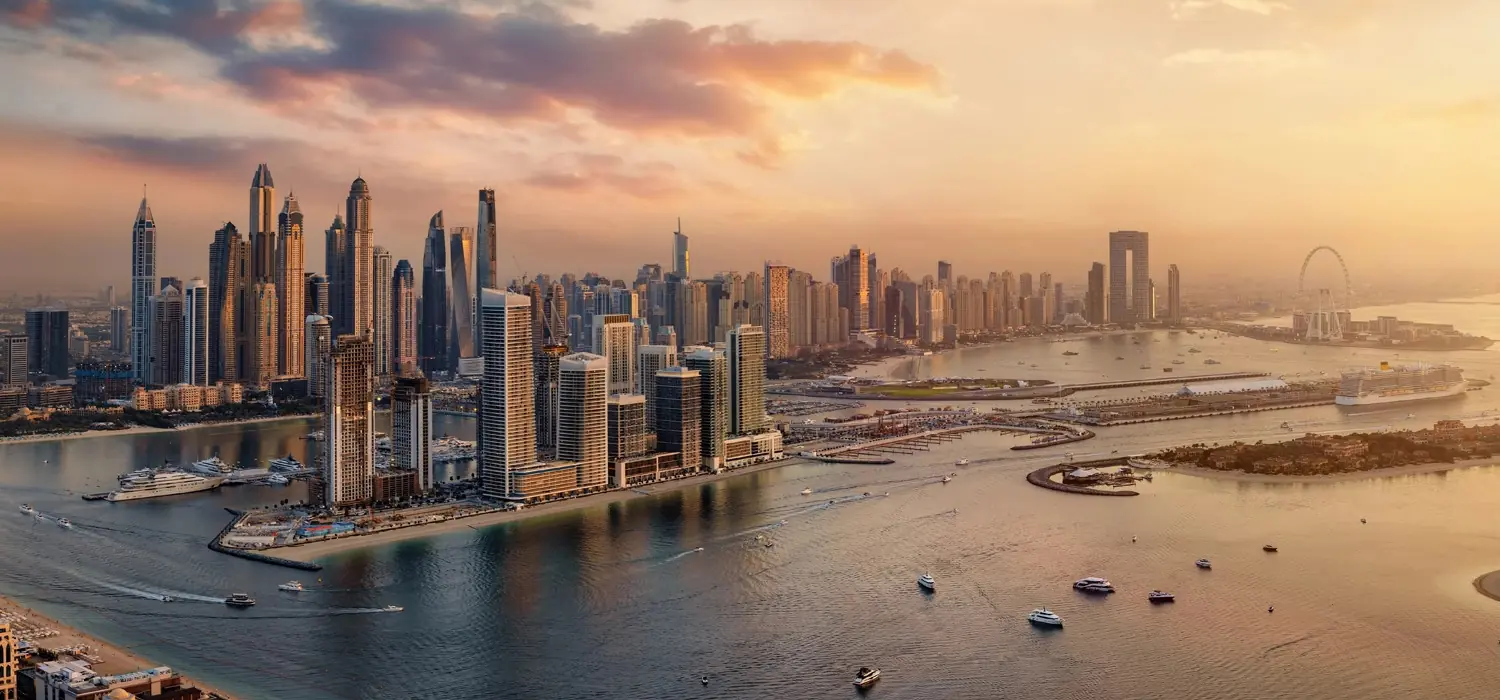
UAE: A Hub for Innovation, Talent, and Global Capital
The UAE is a global centre for finance, technology, and high-growth industries. It has spent decades building an economy that does not rely on oil alone.
- Free zones like DIFC (Dubai International Financial Centre) and ADGM (Abu Dhabi Global Market) attract multinational companies with investor-friendly regulations.
- The economy spans tech, finance, tourism, healthcare, and logistics, supported by world-class infrastructure.
Dubai and Abu Dhabi are also among the world’s best-known expat destinations. Almost 9 in 10 UAE residents are foreign nationals (UN DESA, 2020).
Saudi Arabia: Vision 2030 and Giga-Projects
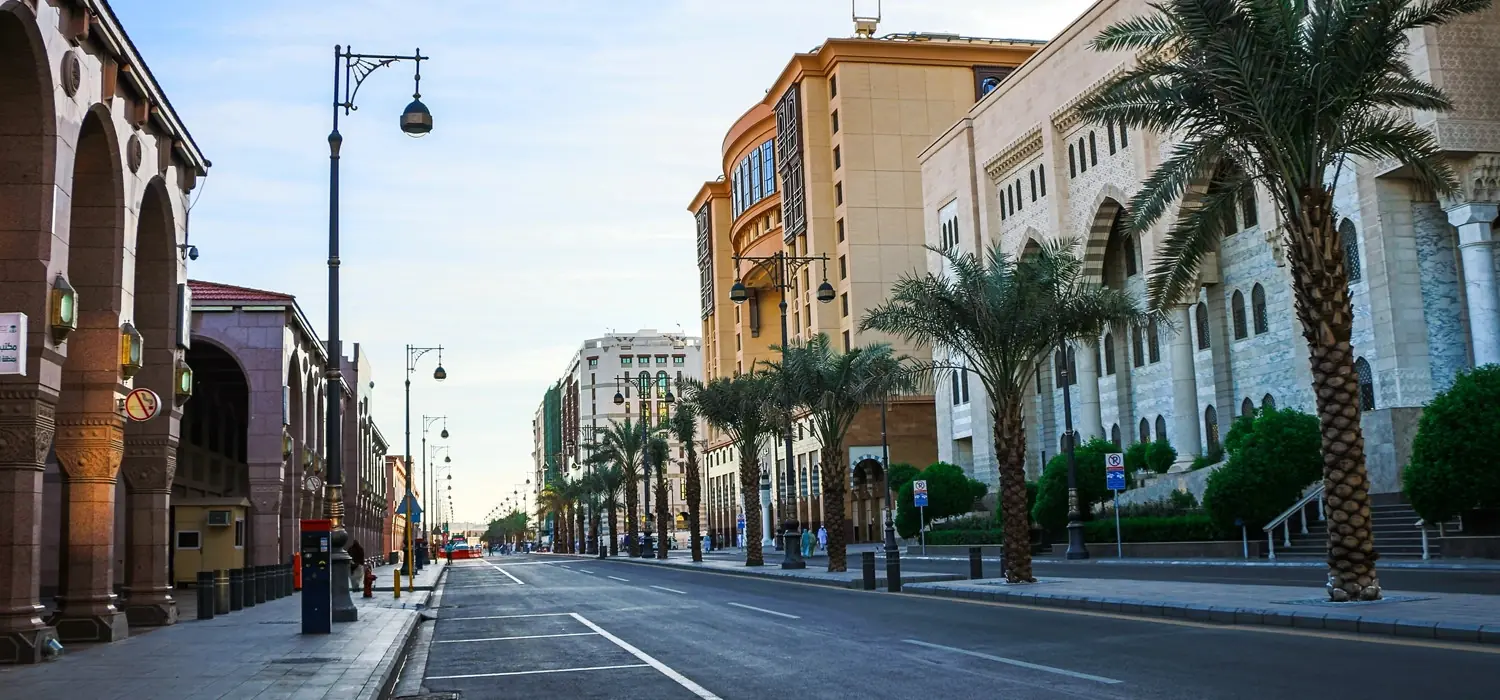
Saudi Arabia’s Vision 2030 aims to diversify the economy and create new industries in tourism, manufacturing, logistics, and services.
- Mega-projects like NEOM, Red Sea, Qiddiya, and Diriyah represent multibillion-dollar investments in smart cities and sustainability.
- Global companies are incentivised to relocate regional headquarters to Riyadh.
Other Gulf Countries Making Strides
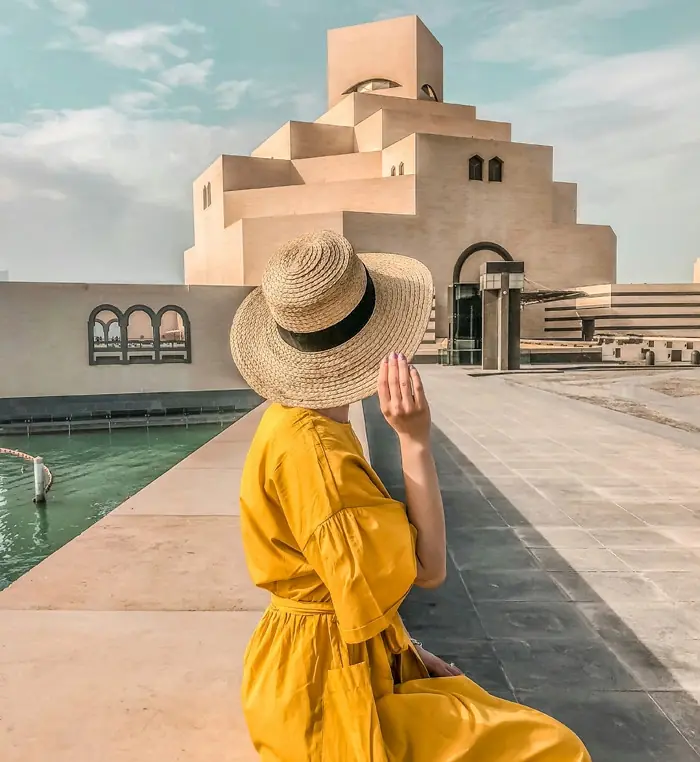
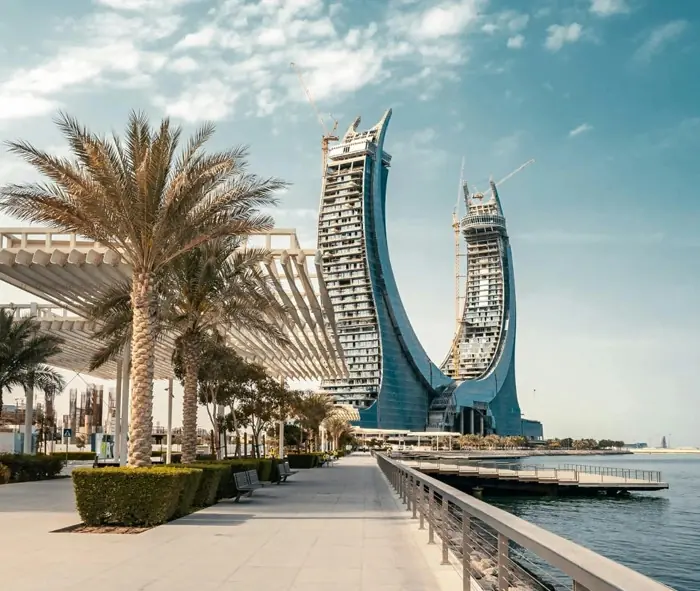
- Qatar: Building on its World Cup legacy to expand education, sports, and innovation.
- Oman: Positioning itself as an industrial and logistics hub.
- Bahrain: Growing rapidly in fintech and financial services.
- Kuwait: Increasing investment in healthcare reform and education.
Who’s in Demand and Why Track Record Matters
The Gulf rewards results-driven professionals. Titles alone won’t get you hired, employers want proof of delivery.
They seek candidates who:
- Execute complex projects from planning to completion.
- Deliver measurable results in diverse, multicultural environments.
Bring deep, sector-specific expertise, not just general management skills.
 GCC’s dynamic, tradition-rich markets. Those who excel blend cognitive and behavioral flexibility to build authentic relationships across diverse teams. High Cultural Intelligence (CQ) isn’t just an asset, it’s the key to unlocking true leadership impact.Marina SushentsevaCareer consultant | Career in the Middle East
Key Sectors for Jobs in the Gulf
- Technology & Digital: AI, cybersecurity, data science, cloud engineering, product leaders.
- Engineering & Infrastructure: Civil, mechanical, mobility, and smart city specialists.
- Renewable Energy: Solar, wind, hydrogen, nuclear.
- Finance & Risk: CFOs, portfolio managers, risk directors.
- Supply Chain & Logistics: Port operations, industrial zone leaders, transformation managers.
- Healthcare: Doctors, nurses, hospital administrators, public health specialists.
Marketing & E-commerce: Heads of digital marketing, performance leads.
Consulting & Advisory Roles in High Demand
- Public sector reform aligned with Vision 2030 and UAE Centennial 2071.
- Digital transformation with a focus on AI, cloud, and cybersecurity adoption.
- Infrastructure and urban development project delivery.
- Sustainability and ESG with measurable impact.


Score your CV in 30 seconds, then fix its biggest problems one by one. Both free.
Free, no card. A free account unlocks every fix.

Salaries in the Gulf: The Real Picture
Yes, jobs in the Gulf often come with attractive packages. But pay depends a lot on the country, the employer and the full package.
What pay looks like
We do not give one Gulf-wide pay table, because pay differs too much by country, sector and employer. For checked 2026 figures, use our city guides below.
Leading in the Gulf goes beyond just completing tasks, it’s about sensing the atmosphere and earning trust first. You need to pick up on subtle cues and build strong connections to drive success. It’s like navigating a intricate dance where cultural sensitivity sets the rhythm.Marina SushentsevaCareer consultant | Career in the Middle East
Important:
- Tax-free salary does not always mean a tax-free life, check home country tax laws.
- Housing may or may not be included in your package.
- Benefits like education, healthcare, and relocation vary by employer.
For a city-level deep dive, see our guide to salaries in Dubai: the 2026 recruiter pay bands, the tax-free arithmetic and what rent does to it, and our guide to salaries in Qatar with the official government pay data.
Cultural Realities: Your New Operating System
Many professionals underestimate the cultural dimension of working in the Gulf. Business here blends tradition with modernity:
- Hierarchy matters, titles and seniority shape decision-making.
- Trust is personal, relationships often outweigh formal processes.
- Yes ≠ final approval, it may mean “we’re aligned, let’s proceed.”
- Patience is influence, respecting the process builds credibility.
Most Gulf workplaces are deeply multicultural, often mixing talent from Asia, Europe, MENA, and North America.

How to Get a Job in the Gulf
Most executive jobs in the Gulf aren’t advertised. The real hiring channels are:
- Executive search firms specialising in MENA.
- Referrals via existing Gulf-based professionals.
- Networking at industry events in Dubai, Riyadh, Doha, etc.
LinkedIn visibility, posting insights and engaging with sector-specific discussions.
For country-level detail on visas, in-demand sectors and the hiring process, read our guides to jobs in Dubai for foreigners and jobs in Qatar for foreigners.
In the Gulf, it’s not about shiny titles, it’s about what you’ve actually achieved. From my experience, the best leaders earn trust by delivering solid results in challenging, diverse environments, not just relying on a fancy CV. Your proven impact is what opens doors.Marina SushentsevaCareer consultant | Career in the Middle East
Pro tips:
- Build local context, know the economic drivers and key projects.
- Customise your CV for the Gulf market.
- Treat your move as market entry, not just job hunting.
See what a recruiter sees, then fix it before you apply. An instant score, then the fix for every problem.
Free, no card. A free account unlocks every fix.
Related reading: Working in Saudi Arabia in 2026: salaries, visas and Premium Residency